Understanding Asset Freeze and Bank Account Restrictions 948161875

Understanding Asset Freeze and Bank Account Restrictions
An asset freeze can significantly impact individuals and organizations. This legal measure prevents the use or transfer of assets, including bank accounts, as a response to suspected illegal activities. Parties involved in legal disputes or related to sanctions often find themselves entangled in the complexities of asset freezes. If you require assistance, consider consulting a Asset Freeze & Bank Account Unblocking Sanction Lawyer who specializes in these matters. Understanding the nuances of asset freeze and its implications on bank accounts can help individuals navigate through these challenging situations.
What is an Asset Freeze?
An asset freeze, also known as a “freezing order,” is a legal directive that restricts an individual or organization’s access to their assets. These assets may include cash, bank accounts, real estate, or any other property of value. Asset freezes can be enacted for various reasons, including legal disputes, bankruptcy proceedings, or as a result of sanctions imposed by government authorities.
Reasons for Asset Freezes
Asset freezes can be initiated for several primary reasons:
- Legal Disputes: In cases of litigation, courts may impose asset freezes to ensure that a defendant does not dissipate their wealth while legal actions are underway.
- Fraudulent Activities: If an individual or organization is suspected of fraud, regulators have the power to freeze their assets to prevent further illegal activities.
- Sanctions: Governments may impose asset freezes as part of economic sanctions against individuals or countries in response to illegal activities, terrorism, or human rights violations.
- Bankruptcy: In bankruptcy cases, a court may freeze a debtor’s assets to ensure fair distribution among creditors.
The Process of Freezing Assets
The process for imposing an asset freeze typically involves legal procedures. Authorities or plaintiffs must file a motion or petition to the court, outlining the reasons for the request. The court will then evaluate the validity of the claims and determine whether to grant the asset freeze. If granted, the individual or entity will be notified of the court’s decision, which will outline the terms of the freeze, including which assets are affected and the duration of the freeze.
Impact on Bank Accounts
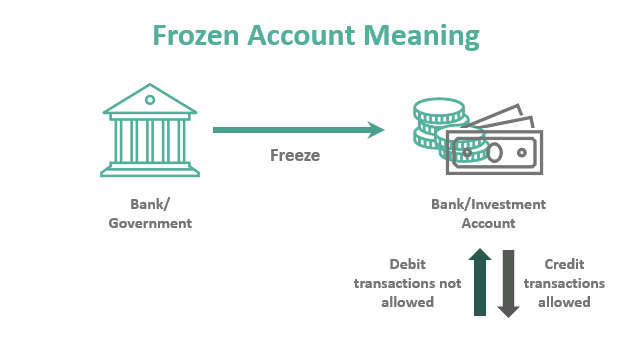
One of the most immediate impacts of an asset freeze is on bank accounts. When a bank account is frozen, the account holder is unable to withdraw funds, make transfers, or engage in any financial transactions. This can lead to significant challenges, especially for individuals who rely on their accounts for daily expenses and payments.
Bank Account Restrictions
When it comes to bank accounts, the effects of an asset freeze vary depending on the jurisdiction and the specific circumstances of the case. Here are some common aspects of how a bank account can be affected:
- Withdrawal Limits: Individuals may not be able to withdraw any funds from frozen accounts.
- Transfer Restrictions: Transfers to other accounts may be prohibited until the freeze is lifted.
- Automatic Payments: Any scheduled payments may fail, leading to potential penalties or missed obligations.
- Notification to the Bank: Banks are usually required to comply with court orders, meaning they may be obligated to freeze accounts without prior notice to the account holder.
Defending Against an Asset Freeze
If an individual or organization finds themselves subject to an asset freeze, it is crucial to take proactive steps to address the situation. Here are some strategies for mounting an effective defense:
- Legal Representation: Engaging with a skilled attorney who specializes in asset freeze cases can provide essential guidance and representation in court.
- Challenging Validity: If you believe the asset freeze was improperly imposed, you may have grounds to challenge it in court by disputing the allegations or presenting evidence of your financial situation.
- Negotiation: In some cases, negotiation with the opposing party may lead to a resolution without the need for prolonged legal battles.
- Compliance: Following the court’s directive and demonstrating compliance can sometimes result in lifting the asset freeze more quickly.
Consequences of Ignoring an Asset Freeze
Failing to comply with an asset freeze can lead to severe legal consequences. Individuals who attempt to withdraw funds or transfer assets despite a freeze may face additional charges, including contempt of court. This can exacerbate legal troubles and hinder any chance of resolving the underlying issues.
Conclusion
Asset freezes can create challenging scenarios for those affected, particularly regarding access to bank accounts. Understanding the legal framework surrounding asset freezes and the processes involved is vital for anyone facing this issue. Seeking legal assistance is often the best course of action, as professionals can navigate the complexities of the situation and help find a way forward.
Ultimately, being prepared and informed about your rights and responsibilities in these situations can help mitigate the impact of an asset freeze on your financial wellbeing.
