The Complex World of Asset Freezes and Frozen Funds

The Complex World of Asset Freezes and Frozen Funds
In today’s interconnected global economy, asset freezes and frozen funds have become important legal tools used by governments and financial institutions. These measures are often employed to combat fraud, money laundering, or as part of sanction regimes. However, navigating the legalities of asset freezes can be complicated and often involves serious financial consequences. In this article, we will explore the nature of asset freezes, the reasons behind them, and the options available for recovering your funds. For detailed assistance with asset freezes and frozen funds, consider consulting our Asset Freeze & Frozen Funds Recovery services.
Understanding Asset Freezes
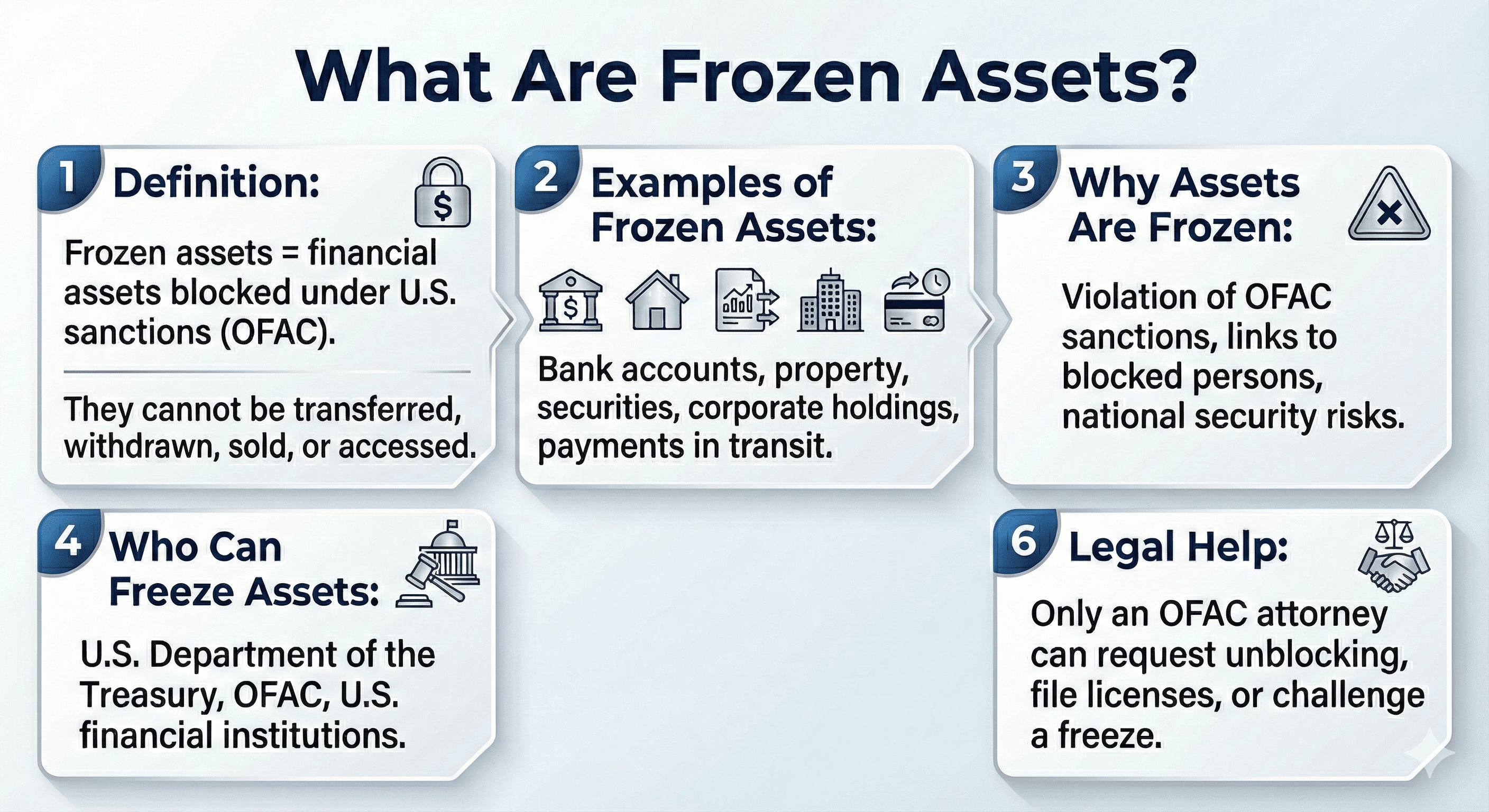
An asset freeze is a legal order that halts the transfer, sale, or use of particular assets. This can apply to various types of assets, including bank accounts, real estate, and personal property. Asset freezes are often initiated by courts or governmental agencies as a precautionary measure during investigations or litigations.
Reasons for Asset Freezes
Asset freezes are typically implemented for several key reasons, including:
- Regulatory Compliance: Financial institutions are often required by law to freeze assets suspected of being involved in illegal activities such as money laundering, terrorism financing, or fraud.
- Legal Proceedings: Courts may impose asset freezes as part of civil or criminal cases to ensure that assets remain available for restitution or penalty.
- Sanctions: Governments may freeze the assets of individuals or entities as a response to political situations, human rights violations, or other activities deemed harmful to national or international security.
Impact of Asset Freezes
The impact of an asset freeze can be significant. Individuals and businesses may find themselves unable to access critical funds needed for daily operations, leading to financial strain. The reputational damage can also be severe, particularly for businesses that suddenly find their assets frozen due to allegations or investigations.
Consequences
A few common consequences of asset freezes include:
- Loss of Access: Individuals and entities effectively lose access to funds tied up in frozen accounts, hindering their ability to conduct transactions.
- Legal Fees: The process of contesting an asset freeze might require legal representation, which can be costly, adding to the financial burden.
- Emotional Distress: The uncertainty and stress of dealing with an asset freeze can take a toll on individuals and business owners alike.
Legal Framework Surrounding Asset Freezes
The legal framework for asset freezes varies widely by jurisdiction. In most cases, asset freezes require a court order; however, some financial institutions have the authority to freeze assets independently if they suspect illegal activity. Understanding the jurisdictional rules governing asset freezes is crucial for anyone affected by such measures.
Due Process and Rights
Individuals subjected to an asset freeze have rights, including the right to due process. This means they should be notified of the freeze and given an opportunity to contest it. The specifics of this process depend on local laws, and affected parties often benefit from legal counsel to navigate the complexities.
Recovery of Frozen Funds
Recovering frozen funds can be a challenging process, but it is not impossible. Here are some avenues through which individuals and businesses can seek recovery:
Legal Representation
Engaging a qualified attorney experienced in asset recovery can significantly enhance your chances of successfully contesting an asset freeze. Legal experts can assess the situation, guide you through the legal procedures, and represent you in court if necessary.
Negotiation and Settlement
Sometimes, negotiating directly with the agency or institution that imposed the freeze can lead to a settlement or agreement that allows for a partial lifting of the freeze. This is often a quicker and less costly option compared to litigation.
Challenging the Legality of the Freeze
If the asset freeze was not legally justified, individuals can challenge its legality in court. Proving that the freeze lacks sufficient grounds can result in the funds being released.
Preventive Measures
While it can be difficult to prevent asset freezes entirely, there are steps that individuals and businesses can take to minimize the risk:
- Maintain Transparency: Ensure all financial activities are compliant with regulations to avoid suspicions of illegal activity.
- Regular Audits: Conduct regular financial audits to detect any irregularities that could lead to an investigation.
- Consult Legal Experts: Engage legal counsel proactively, especially if operating in high-risk sectors.
Conclusion
Asset freezes and frozen funds present significant challenges that can affect anyone from individual account holders to large corporations. While these measures serve crucial regulatory purposes, the impact on those affected can be profound. Understanding the legal context, knowing your rights, and seeking prompt legal assistance are essential steps to navigate the complexities of asset freezes successfully. By taking informed action, individuals and businesses can better position themselves to recover frozen funds and mitigate the risks associated with asset freezes.