Understanding Access Requests A Comprehensive Guide 948459375
Understanding Access Requests: A Comprehensive Guide
Access requests are essential components of modern data management and governance frameworks. As organizations increasingly recognize the importance of protecting sensitive information while also ensuring compliance with regulations, the need for structured access protocols becomes paramount. When someone needs to access specific data, whether for operational, legal, or research purposes, they must formally submit an access request. For instance, if an individual is dealing with a case that involves international law enforcement, they might need to consider resources such as Access Request Interpol Red Notice Removal to navigate the complexities involved.
What is an Access Request?
An access request is a formalized process in which an individual or entity seeks permissions to access specific information or data that is usually restricted or protected. This can be critical in various scenarios, from corporate environments needing to protect trade secrets to healthcare organizations maintaining patient confidentiality. Access requests can apply to digital data, physical documents, or even systems that store sensitive information.
Importance of Access Requests in Data Governance
The concept of data governance is increasingly relevant in today’s data-driven world. Organizations must manage access requests effectively to ensure that only authorized personnel can access sensitive data. This helps mitigate risks associated with data breaches, unauthorized access, and legal liabilities. The importance of access requests can be summarized as follows:
- Protection of Sensitive Information: Access requests help safeguard confidential data by ensuring that only individuals with a legitimate need-to-know can access it.
- Regulatory Compliance: Various regulations, such as GDPR, HIPAA, and others, mandate strict controls over data access. Properly managed access requests help organizations demonstrate compliance.
- Operational Integrity: In many organizations, access to specific data is tied to job roles. By managing who can access what, organizations can enhance operational efficiency.
Types of Access Requests
Access requests can vary widely depending on the context. Here are some common types:
- Employee Access Requests: Employees may request access to databases, files, or systems necessary for their roles.
- Customer Data Access Requests: Businesses may need to grant customers access to their own data, especially in compliance with privacy laws.
- Research Access Requests: Researchers often request access to data sets for studies, which must be handled carefully to protect individual privacy.
How to Submit an Access Request
The process for submitting an access request varies by organization, but generally follows these steps:
- Identify the Data Needed: Clearly define what data you need access to and why.
- Understand the Process: Review the organizational policies regarding access requests. Each organization will have its own protocols.
- Complete the Request Form: Many organizations require a formal request, often via a specific form or online system.
- Provide Justification: You may need to explain why you require access to the requested data and how you plan to use it.
- Submit the Request: Follow the submission guidelines provided by the organization.
How Organizations Handle Access Requests
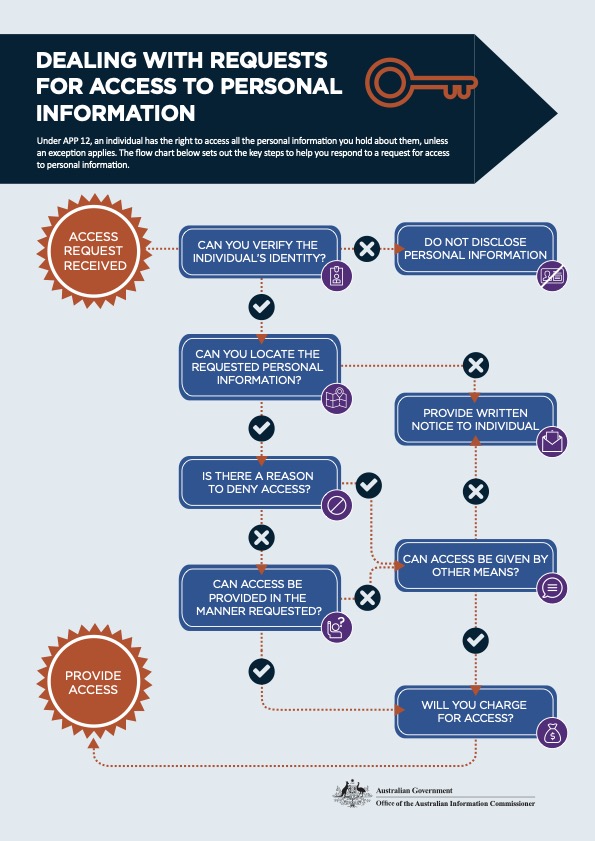
Organizations often have specific procedures and teams that handle access requests. Here’s a general overview of how requests are typically processed:
- Initial Review: A designated team or individual reviews the request for completeness and clarity.
- Verification: The organization may need to verify the identity of the requester and their need for access.
- Approval Process: Some requests might need managerial approval or sign-off from a data protection officer.
- Response: Organizations typically aim to respond to access requests within a specified timeframe. Denials must also be communicated alongside explanations.
Common Challenges in Access Requests
While the process of managing access requests is critical, organizations often face challenges, such as:
- Lack of Clarity: Sometimes the purpose of a request can be ambiguous, making it hard to assess.
- Delay in Response: Delays can occur for various reasons, impacting operational efficiency.
- Compliance Risks: Mishandling requests can lead to regulatory non-compliance, resulting in fines or legal issues.
Best Practices for Managing Access Requests
To mitigate the challenges associated with access requests, organizations can adopt the following best practices:
- Clear Policies: Develop and communicate comprehensive policies regarding access requests to ensure everyone understands the process.
- Training and Awareness: Regular training sessions for employees on data governance and the importance of access controls can lead to better compliance.
- Use Technology: Implementing software solutions can help streamline the access request process, making it more efficient and less prone to errors.
- Regular Audits: Conducting periodic audits of access requests can help identify potential vulnerabilities and improve processes.
Conclusion
Access requests are an essential element of data governance, ensuring that sensitive information is protected while allowing for necessary access. As the landscape of data management evolves, organizations must remain vigilant and proactive in their approach to handling access requests. By establishing clear policies, leveraging technology, and fostering a culture of compliance, organizations can effectively manage access requests and protect their critical data assets.